Let’s Talk About Show Sales Artists Share Best Practices and Advice
Get ideas for your displays and learn how some artists engage with attendees and stay in touch with them long after a show ends.
Norman Veit
Wood
How long have you been participating in shows?
Four years
What are your top display tips for attracting people into your booth?
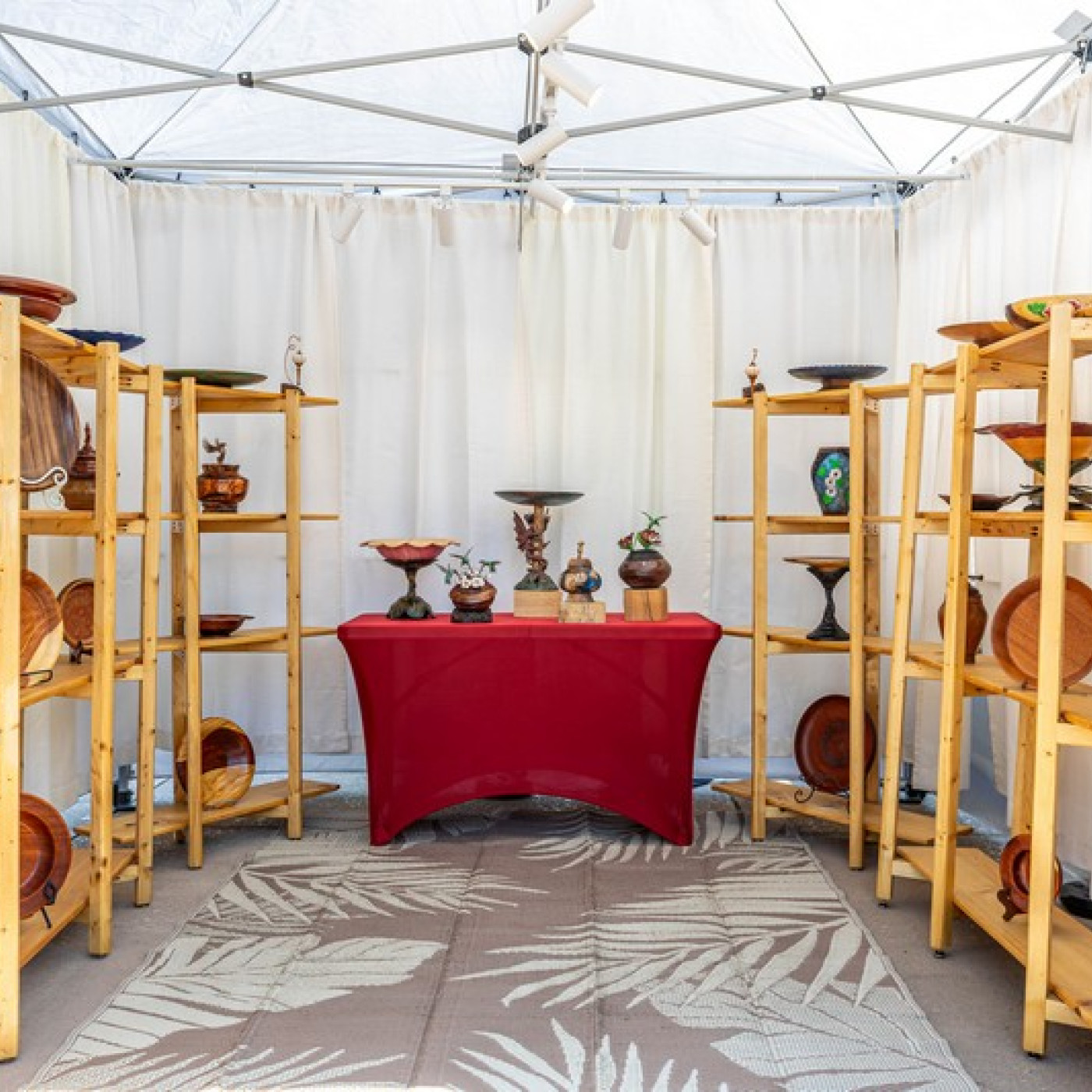
Let your display evolve. As you do more shows, you learn from other artists and better understand your potential buyers' expectations. As I've grown as an artist, my display has moved from simple tables with event type tablecloths to custom shelving and battery-powered gallery lighting. Also, I feature an eye-catching banner with my name and a photo grouping of my work.
How do you present yourself at shows?
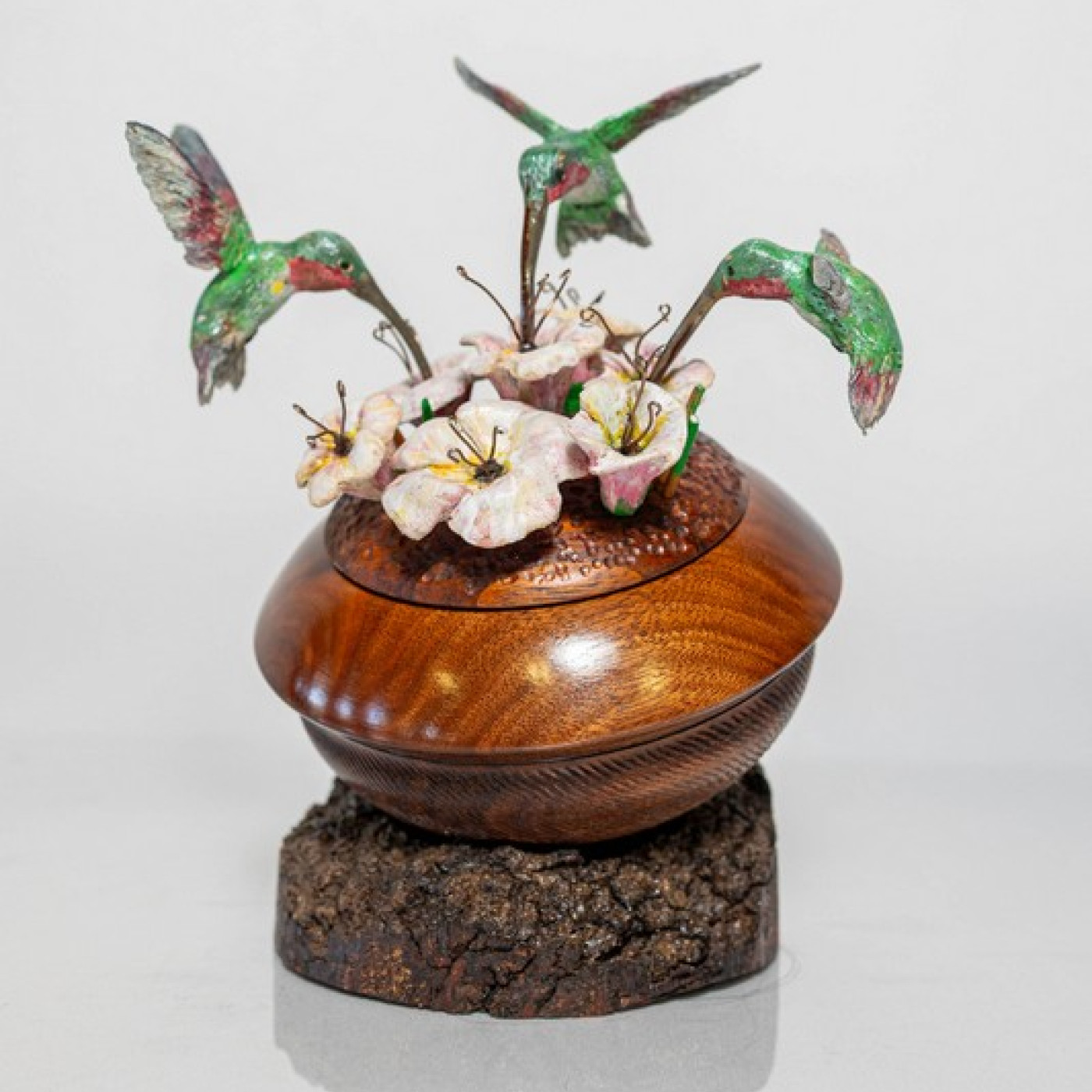
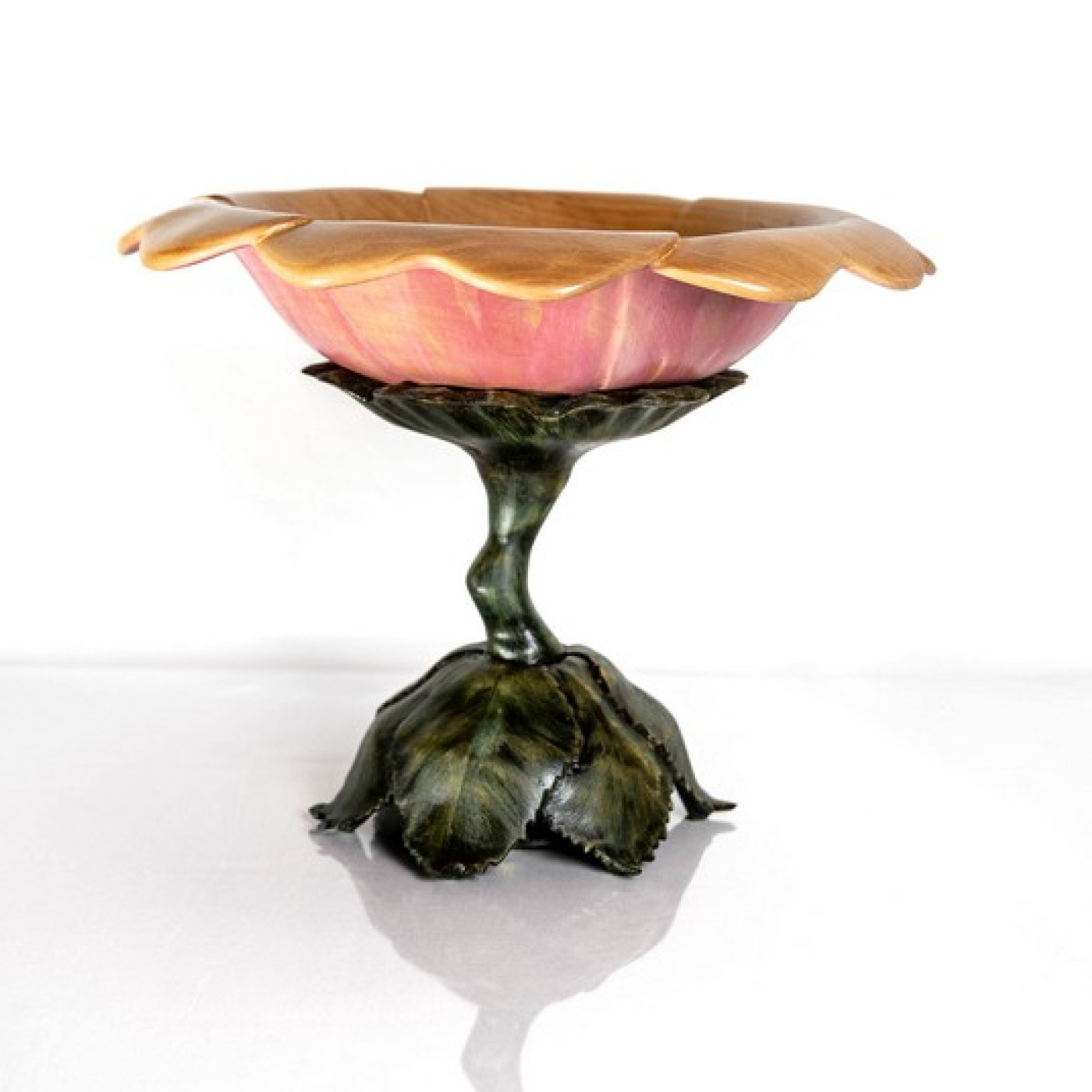
As my medium is wood, I tend to wear Western shirts and jeans, not too dressed up but approachable. Ready with a smile, a joke, and, of course, every piece has a story. Often, the story is what sells the art. I take a low-key educational approach to talk about the work and do not focus on selling. Each piece will have its buyer.
Where do you position yourself in your booth? How do you engage with attendees as they enter?
I am right out front, quick with a comment or compliment as people approach, often getting a laugh but suddenly they are stopping, enjoying the interchange. For instance, I might see a couple with little children and say, "I see you brought your supervisors today." I try to make people feel like they are meeting the personality behind the work. As they enter, I ask which piece catches their eye and why, which leads to a conversation and sometimes a sale. But I always want them to feel that they have had a little fun with me. I believe this has helped me build a loyal following that always stops by to see, and better yet introduce, their friends to me.
What do you do when someone is interested but not ready to buy?
I don't change a thing. My low-key approach and humor have led many times to people returning after exploring other booths and buying. Because of this, sometimes the end of a show day can get quite hectic in a good way.
How do you make it easy for customers to reconnect with you later?
I use business cards and a trifold featuring my art and story — both of which I freely give out. They contain all my contact information and the details of my business Facebook page.
How important is it to have a range of price points?
It is important. My prices range from relatively inexpensive to high dollar, award-winning pieces. I have experienced people buying for a couple of years from me at the lower end of the spectrum, then coming back a year later to buy one of my major pieces.
How do you stay positive when traffic or sales are slow? What do you do during a show’s downtime?
I look at the whole experience as an opportunity to engage people and get feedback on my work. The creation process is very insular, so I always welcome the opportunity to share my thoughts and work. I always make new friends among the other exhibiting artists and learn about what they are doing and encourage them.
What’s one minor change that significantly improved your sales?
Evolving my display to suit my primary target audience, as well as listening to the feedback to know what to create more or less of.
Do you have other comments related to this topic?
Have fun. Be genuine and relaxed. Smile and let the sales happen organically.
Erika Mock
Fiber
How long have you been participating in shows?
Thirty-seven years.
What are your top display tips for attracting people into your booth?
Display to create an easy flow of eyes through your booth. Invite with use of color, shape, and a wow factor at eye level on the front right and front left. Place your must stunning pieces on your back wall. Notice how people walk into your booth and where their eyes go … displays pieces accordingly. Price everything so the price is easily visible (for clothing, use hangtags that include all the necessary information — fabric content, care, title of piece, poetry of words, and price). Give people enough space to see the work clearly. Post an artist statement. I keep my email signup list on my wrapping table near the back of the booth, so I can have a short conversation to learn a bit about the person when they sign up.
How do you present yourself at shows?
I dress in neutral — often black — colors and as a wearable artist, wear one of my own pieces that is often available for sale. I dress nicely — never a T-shirt and jeans. People notice my clothes and often comment. I think it’s important to dress in a style that relates to your work. I think of my booth at shows as a mini gallery.
Where do you position yourself in your booth? How do you engage with attendees as they enter?
I position myself at the back of my booth — sometimes standing, sometimes moving around the booth re-arranging clothing pieces a little. Movement works well for my work, I feel for customer interaction. Sometimes I sit in my Hollywood chair with just a little of me showing. I say “hi” to almost everyone and welcome them in. But then I’m often quiet. It’s important to allow people space to look. I treat people the way I like to be treated — greetings, then some quiet. When someone reaches to touch a piece, I may give a piece of its story, or data about it.
What do you do when someone is interested but not ready to buy?
I suggest ways to stay connected. My newsletter is a perfect place to learn more about my work and me … social media, any upcoming shows in the area.
How do you make it easy for customers to reconnect with you later?
Business card, newsletter, social media, postcards of future shows. My business card includes URLs for my online shop, Facebook and Instagram, website picture of a piece, and a tagline for my business, so they remember me later.
How do you stay positive when traffic or sales are slow? What do you do during a show’s downtime?
I go to gratitude — think of what I’m grateful for in that moment. Sometimes I give away a small piece to get flow happening again. If it’s not happening at the show, I get on my social media and offer pieces to people there. I also network with neighbor artists if the slowness is impacting all of us, which has really been happening a lot this year.
What’s one minor change that significantly improved your sales?
I added photos of pieces on a real person.
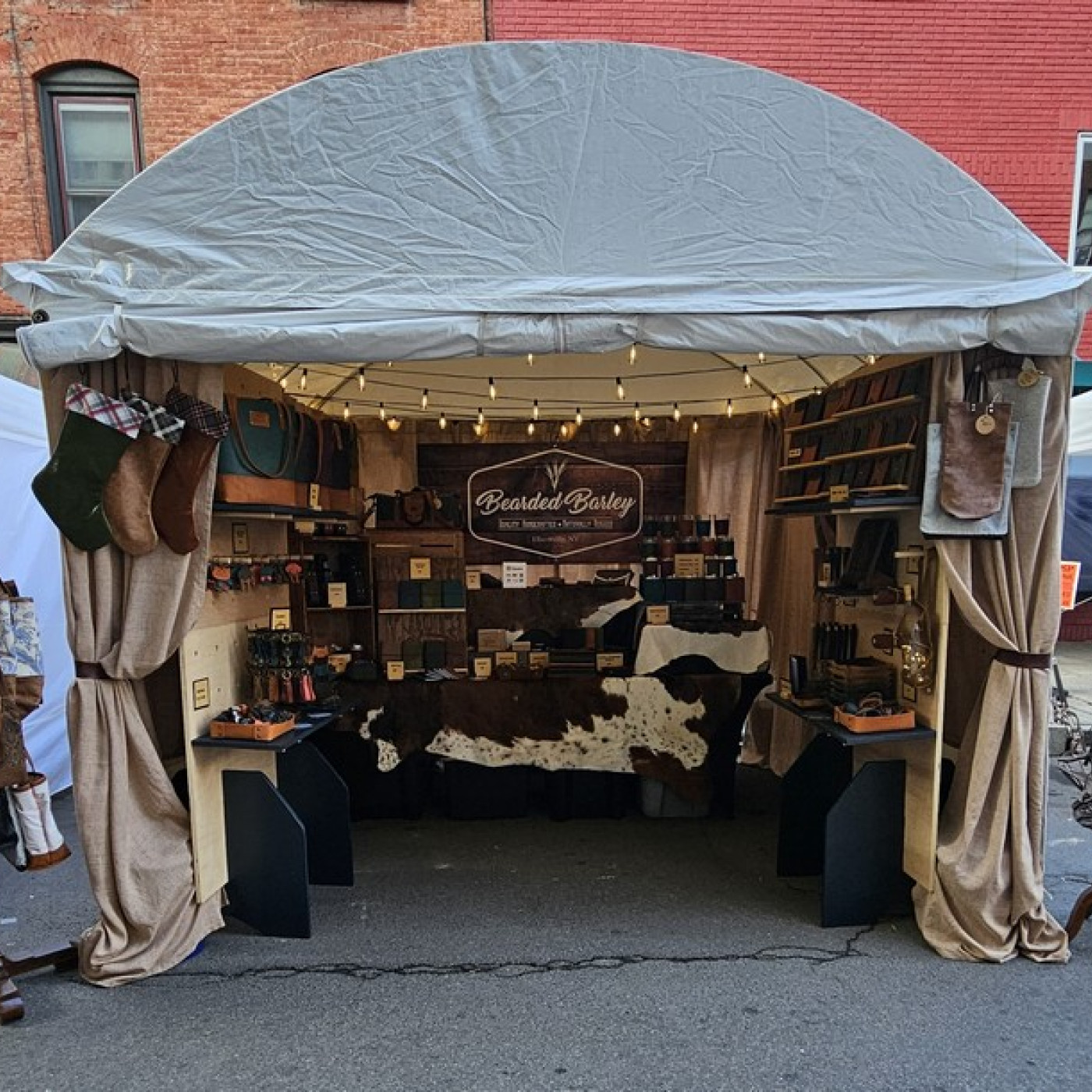
Photo courtesy of Bearded Barley Leather.
John Crandall
Leather
How long have you been participating in shows?
Five years.
What are your top display tips for attracting people into your booth?
Varying heights! We use tables and benches on top of the tables, then add wooden boxes and crates to make a multi-layered display that keeps a customer’s eyes moving. It’s fun to watch a customer discover a product they hadn't noticed right off the bat. Use unique table coverings. We, of course, use black table clothes that hide our under-table backstock, but then we drape hair-on cow hide over that to create some interest. Find a table covering that fits your brand to add some visual interest. Cover the walls, throw down a rug, and add some string lights. We wanted our booth to feel more like a boutique, so we put up drapes on a curtain rod, added a lightweight rug, and string Edison bulbs back and forth above the top of the frame. It is a lot of work to set up, but the effort pays off.
How do you present yourself at shows?
Appearance is key. We try to wear something that fits our brand. As a leather worker, I will sometimes wear a leather apron and usually a flat cap that fits the aesthetic. In the warmest weather when that is impractical, we have lightweight branded button-up shirts. Remember — if you don't look like you care about your appearance, your customers will think you don't care about your art.
Where do you position yourself in your booth? How do you engage with attendees as they enter?
We have found that creating a separation between us and the customers works best. We move a table forward in our space and stand behind that. It takes the pressure off the customer and allows them to browse without being pushed into a sale. This also lets customers come into the tent to get out of the flow of traffic (and out of the sun). It can be intimidating for a customer to start a conversation with an artist, so we never ask if they have a question, which would put the burden of engagement on the customer. Instead, we greet someone when they come in with a smile and a “hello” or “good morning,” and if we see someone really eyeing up a specific product, we will ask a specific question to connect to them. For instance, if they are looking at notebooks, I will ask them if they journal, take notes, or sketch. That helps us relate directly to the customer and helps meet their needs.
What do you do when someone is interested but not ready to buy?
We never pressure someone to buy now. It’s the quickest way to lose a customer forever. Instead, if someone tells us they are not ready to buy, we offer them a card and tell them to reach out anytime, on any platform. Most importantly, we follow up with any communication within one business day. It makes the customer feel valued that communication is so prompt.
How do you make it easy for customers to reconnect with you later?
We try to make it as easy as possible for people to find us again. We post a QR code to Linktree which has links to our website, Instagram, Facebook, and email. We always have business cards on the table near the check-out area and near the front of the booth for people to snag. We also post a calendar on our website of all the shows we are doing, so people can find us in person.
How important is it to have a range of price points?
Having a wide range of price points can't be understated, and not just for those who are just beginning to invest in high-quality pieces. Having a little add-on gift or spontaneous purchase can help the bottom line when combined with the showstoppers. Especially in a slower economy, having low price point items lets customers feel good about supporting an artist if they don't have the available funds to purchase a more expensive piece. We use smaller pieces of leather (calling it scrap cheapens the product) to make inexpensive items, such as keychains. At some shows, the sales of just keychains can cover the table fee.
How do you stay positive when traffic or sales are slow? What do you do during a show’s downtime?
This is sometimes difficult. Our No. 1 rule is to never start doomscrolling on our phones. Customers are turned off when they look into a booth and see the artist with their head in their phones, not paying attention to what’s going on. Instead, we try to stay engaged anyway. Standing outside our booth just saying “hi” and smiling at people is a good way to get someone to look at our products. We might also work on a project when traffic is slow. Customers love to see the process, and a demonstration can drive sales.
What’s one minor change that significantly improved your sales?
Leveling up our display. For just a couple of dollars, we made 6-foot wooden shelves with a peg system, bought some Edison bulb string lights, and added curtains to the walls. It took our booth from looking like a tent to giving the appearance of a boutique store. When the beauty of art matches the craftmanship of the display, customers feel more confident in their purchases.
Do you have other comments related to this topic?
Stay positive. Stay engaged. Remember that all the artists at a show are in the same boat. Community over competition. When we all work together to make a good show, the sales follow.
Heather Nagy
Acrylic on Canvas
How long have you been participating in shows?
Eight years.
What are your top display tips for attracting people into your booth?
Having an open booth - not too crowded with tables, big pieces that draw one in. I place the print bin in the back of the booth.
How do you present yourself at shows?
My work is colorful, vibrant landscapes. I usually wear a colorful dress — think business casual.
Where do you position yourself in your booth? How do you engage with attendees as they enter?
I have a door in the back of my booth and will sit just outside or inside. As people enter, I will say “hello,” “good morning,” or “how are you doing?” I let them look. If they are looking at something for a while, I ask what about it caught their eye. I answer any questions.
What do you do when someone is interested but not ready to buy?
I make sure they have my card. If possible, I get their contact information, so I can check back with them later and add them to my email list.
How do you make it easy for customers to reconnect with you later?
My business card has my website, Instagram, and email. I have a QR code on the back that will take you to those things and allows one to sign up for my email.
How important is it to have a range of price points?
Some of that depends on your medium and the show. For myself, I have high-end big work and reproductions at a low price point, as well as some small pieces that are also under $100. This helps increase your customer base from a handful of people to those who love art but are on a budget.
How do you stay positive when traffic or sales are slow? What do you do during a show’s downtime?
It's hard. I am careful about spending time on the phone, as I want to appear available to anyone who is around. I might talk to artists around me — even just observing their layout, price point, and how they do different things.
What’s one minor change that significantly improved your sales?
I take notes on every show about what my sales were, what type of thing sold, cost of shows, what kind of people were there, what type bought from me, so I can look back and make more informed decisions and notice patterns about what type of shows are right for my art. What might be great for a neighbor doesn't mean it will work for you.
Do you have other comments related to this topic?
Be a courteous good neighbor to others. If someone comes into their or your booth, expect your conversation will continue later. Don't play music in your booth, (I've had competing tunes playing around me that can result in headaches and make conversations hard.) Don't place print bins or your chair where it disrupts the flow of traffic — keep it in your booth. If alone, ask and offer to watch your neighbor’s booth while you/they use the restroom.
Sam North
Acrylic
How long have you been participating in shows?
I used to only show in galleries and independently on the street. I started doing markets a little over a year ago and juried art fairs in January. By the end of the year, I'll have done a little more than 30.
What are your top display tips for attracting people into your booth?
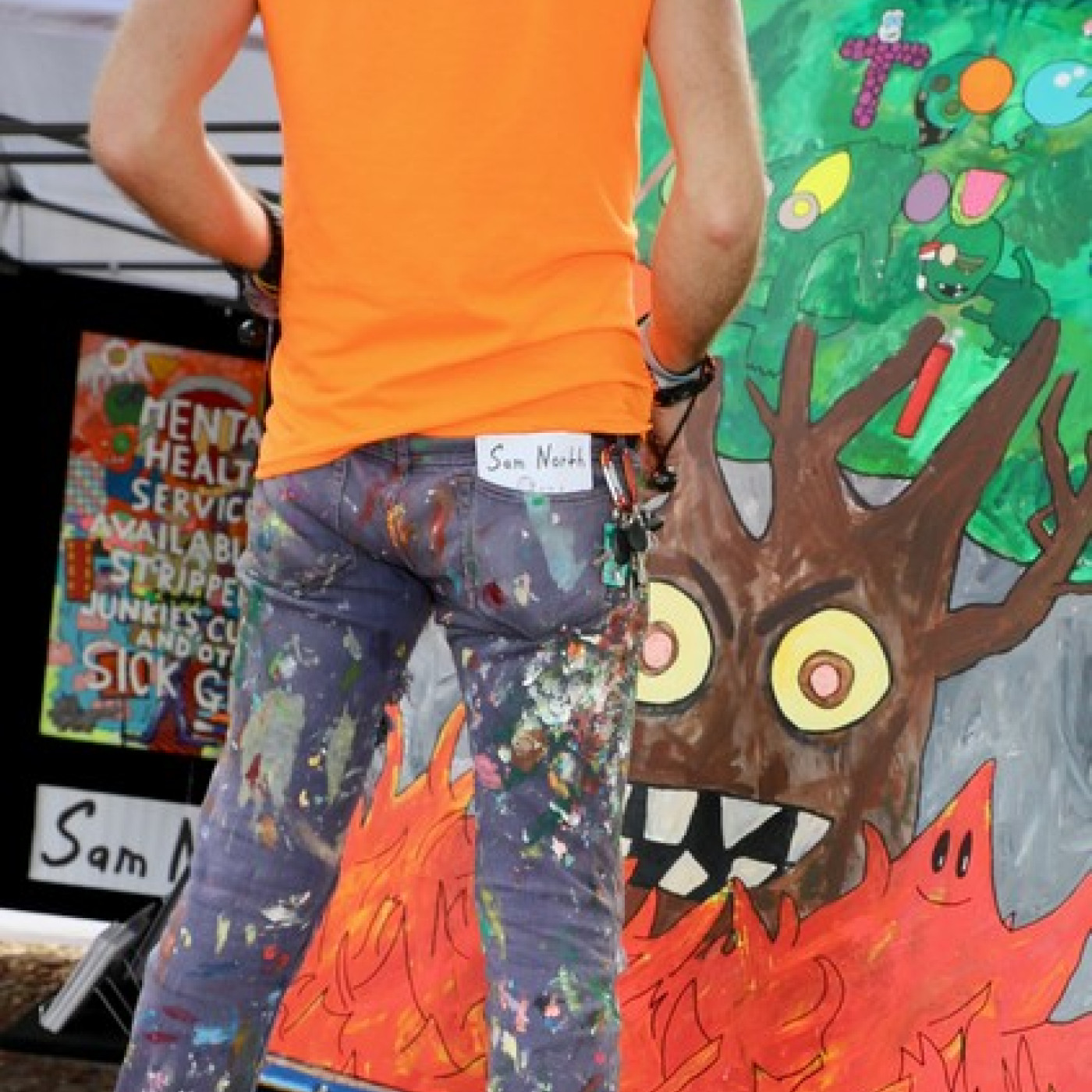
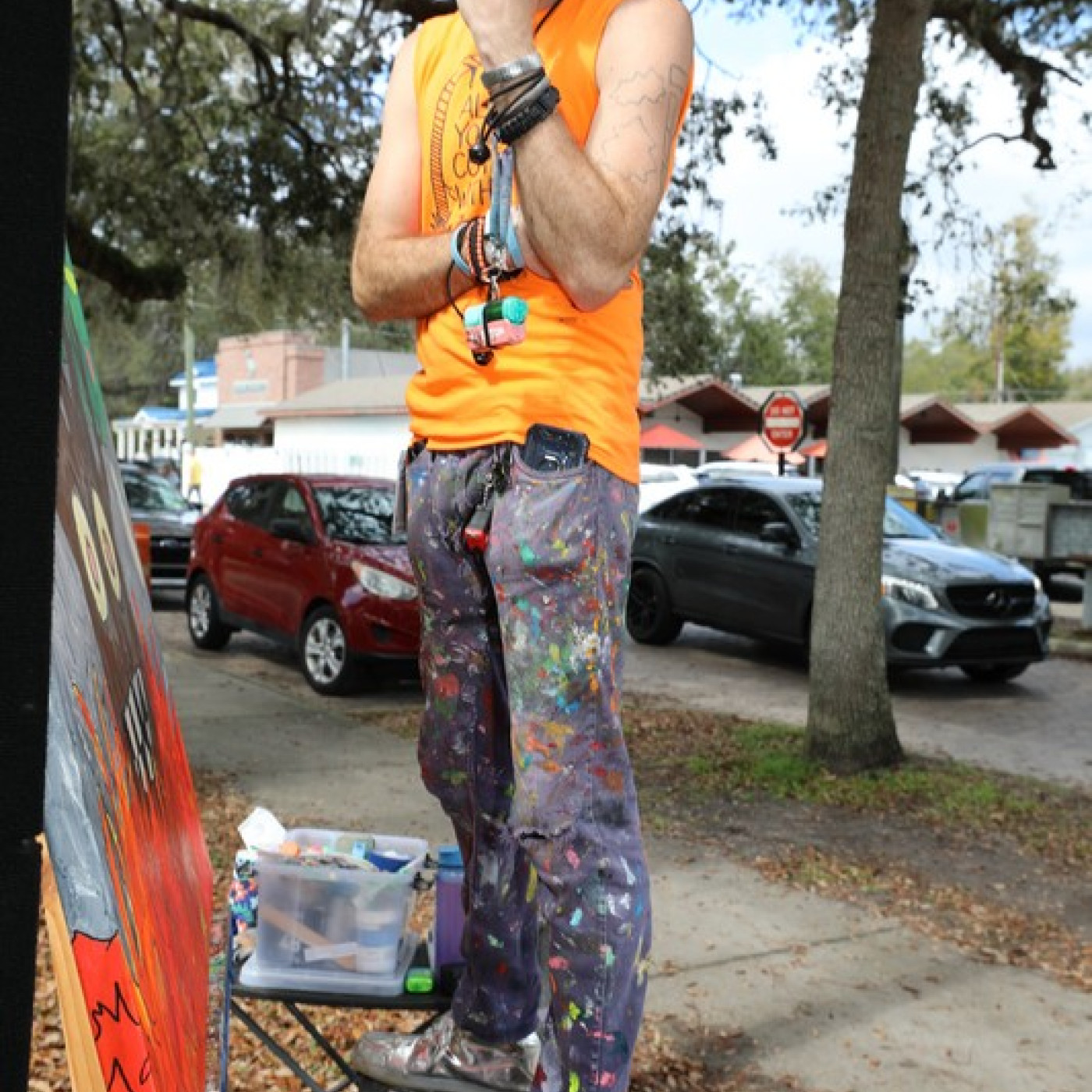
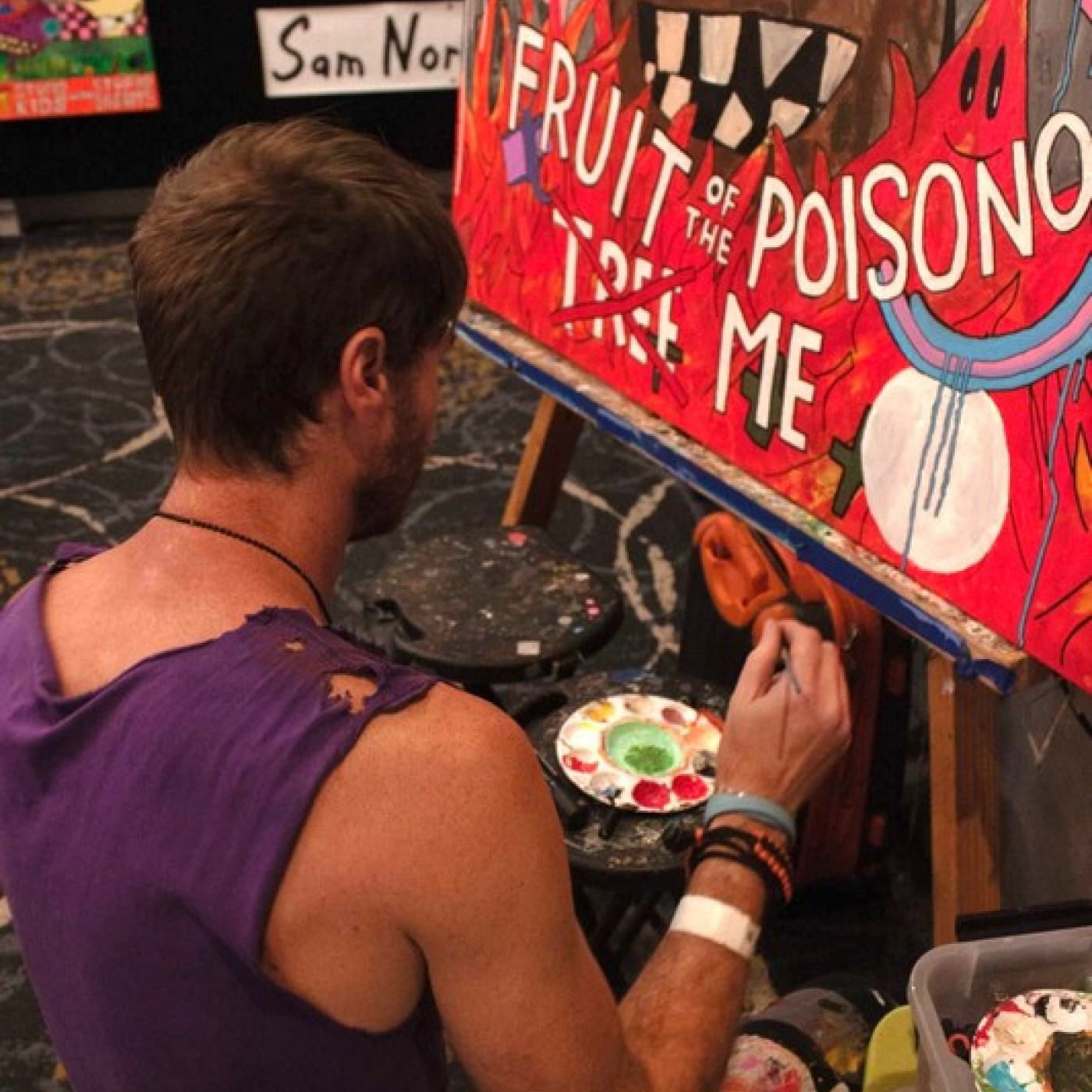
I always have my work-in-progress with me. If I'm not talking to someone, I'm painting. Often, I'm doing both. Sitting in a chair is not interesting. Looking at your phone is not interesting. Being on your feet, having fun, and making art — that's what people at art fairs want to see.
How do you present yourself at shows?
I grew up in punk rock, so my clothes are tattered and, these days, covered in paint. It's not for everyone, but enough people are intrigued by the punk-rock, oddball fine artist thing that it works. So far, as interaction goes, if I'm in a good mood, if I'm having fun, the people who appreciate my work are buying.
Where do you position yourself in your booth? How do you engage with attendees as they enter?
I'm still fine tuning and playing with configurations. Ideally, I like my work-in-progress (and me in front of it) to be in clear enough view that it's obvious I'm painting — but without taking up too much space and without any art supplies (that aren't in my hand) being visible. I like my booth to look perfect, clean, and crisp. The only messy thing in my booth should be me. When I can get away with it, I'll even put all of that (and myself) just outside of the booth. Anyone who walks up, I look up from my work, greet them with a brief introduction, and (playfully) tell them to "just shout at me if you've got any questions," before returning to my work. If they do engage me, I'll reciprocate to the extent that feels right. Sometimes that means stopping painting and fully engaging. Sometimes it's something shy of that.
What do you do when someone is interested but not ready to buy?
Not much. I'm low pressure. If they seem like serious collectors, I'll give them a business card with my email and phone number, but 99% of the time, I just give them a flyer with my website and social media handle.
How do you make it easy for customers to reconnect with you later?
I have business cards in my wallet, flyers in my booth and my back pocket. I also wear a laminate on a retractable cord attached to my belt. It has a QR code for my Instagram on the front and a QR code for my mailing list on the back. Somebody asks for that information, and I’ve already got it in my hand. I’ve also got a bunch of different signs with different QR codes. I’ll choose one (or none) based on the rules and/or vibe of the show.
How important is it to have a range of price points?
I've spoken with other artists who take losses on some shows but say they'll make it up at others. I'm not interested in ever taking a loss. I don't sell originals at all price points, but that's what prints and giclées are for. At most events, I don't sell any originals, but if I sell 15 to 30 prints plus a giclée, that's a solid weekend.
How do you stay positive when traffic or sales are slow? What do you do during a show’s downtime?
If you've sold enough of your art to know that people love it — and you're doing all the things that you know work for your business (in my case, that's setting up an excellent display and then turning my attention to my current work-in-progress and just having fun painting) — then there's no reason to get upset when a show's not going well. There are factors outside of our control (bad weather, poor promotion, etc.) that make some shows better or worse than others. There's plenty in this world to bum out about but getting to do what we love instead of working at some job is not one of them — even when a show doesn't go as well as we may have hoped. That said, if this is happening to you a lot, there's a common denominator. Evaluate and adapt.
What’s one minor change that significantly improved your sales?
If I'm genuinely having a good time, it attracts people, attention, and money. On the other hand, being bored or unhappy repels all of those.
Do you have other comments related to this topic?
I'm constantly evaluating and changing. There's always something I can do even better.
Riley Kass
Photography
How long have you been participating in shows?
This will be my fifth year.
What are your top display tips for attracting people into your booth?
Invest in a tall chair (sometimes called a director's chair). Sitting in a low lawn chair is awkward for customers. If you stay sitting, it's difficult to have a nice conversation. Customers also don't want to inconvenience you by making you stand up to greet them, so they are more likely to look at your booth from a distance.
How do you present yourself at shows?
I try to act professionally. I usually dress in khaki shorts and a short-sleeved button-up or polo. I say some variation of "hi" to almost everyone who comes into my booth, along with a quick description of my work (photography). I want my work to feel high-end, so I dress that way to keep a consistent vibe across my booth.
Where do you position yourself in your booth? How do you engage with attendees as they enter?
I sit in front of the door on my back wall. I want my booth to invite people in for a closer look. I find if I stand out front or in the middle of my booth, people are more likely to engage with me from outside the tent. I like to stand up, take a couple of steps toward them, greet them, and then point out a popular photo in the back of my booth while stepping toward it. Often, the potential customer will take a step or two into my booth for a closer look.
What do you do when someone is interested but not ready to buy?
I like to keep a conversation going; it helps them feel more at ease. I'm not much of a pressure salesperson, but that is a strategy that works for some artists.
How do you make it easy for customers to reconnect with you later?
I use business cards, a newsletter signup, and a QR code or two to socials and my website. My business card includes my website (with a QR code), business and personal name, email, and phone number.
How important is it to have a range of price points?
I find it important. I know not everyone can afford the largest sizes I offer, and I like to cater to them, too. I've had some shows that were a bust, other than my smallest sizes helping me to break even.
How do you stay positive when traffic or sales are slow? What do you do during a show’s downtime?
My wife comes to most of my shows with me. Talking to her helps pass a lot of the slow time. I'll either have her or a booth sitter stay at my booth for a few minutes while I go look at other artists' work. Talking to my booth neighbors is a great way to pass the time, too.
What’s one minor change that significantly improved your sales?
I continually like to try slight changes in my booth layout. For example, I used to have my small print bin in the middle to the back of my tent. Now it lives in the front because people love to flip through it before they need to make the commitment of coming into my booth. Lots of those people then come further into my booth for a closer look at my photos on the walls.
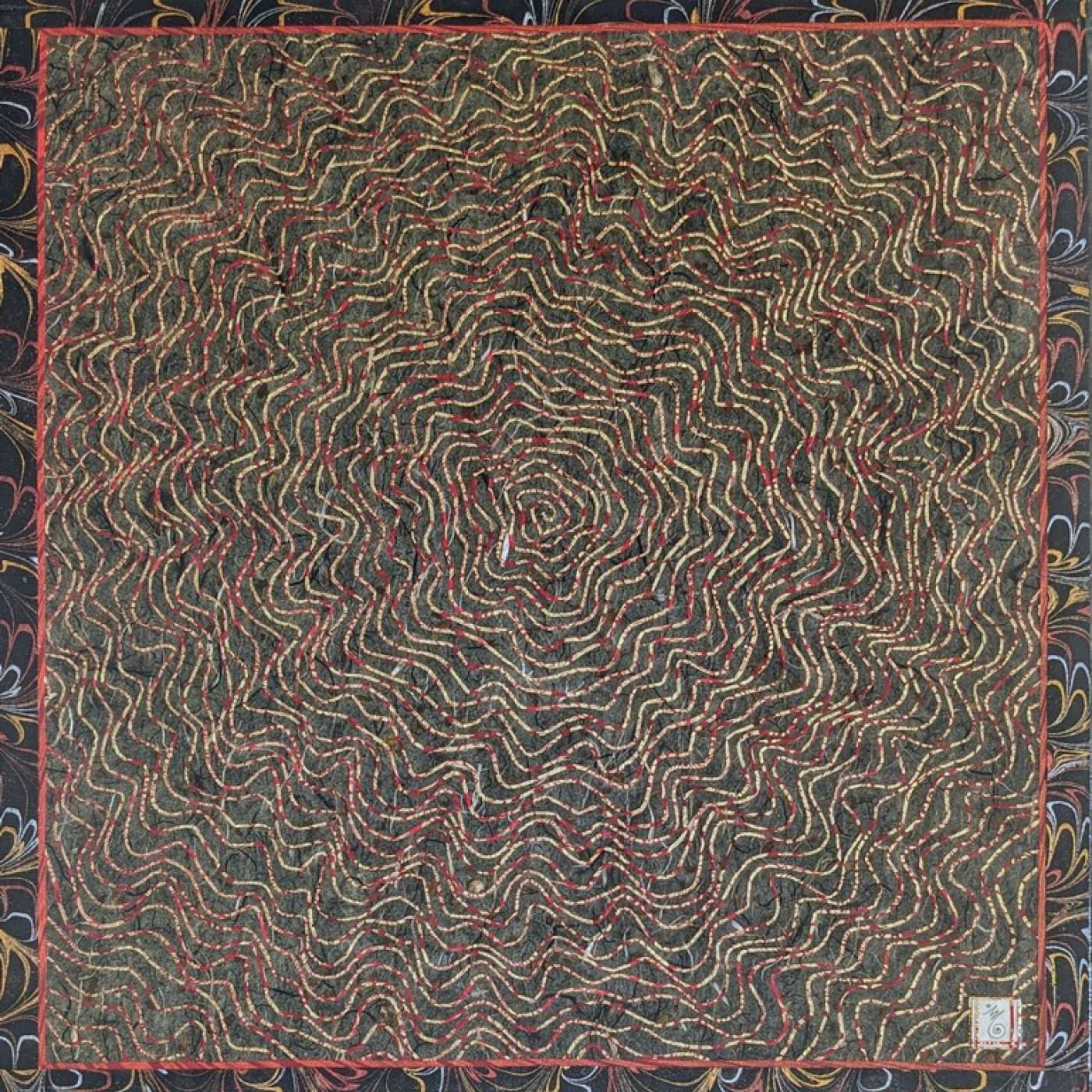
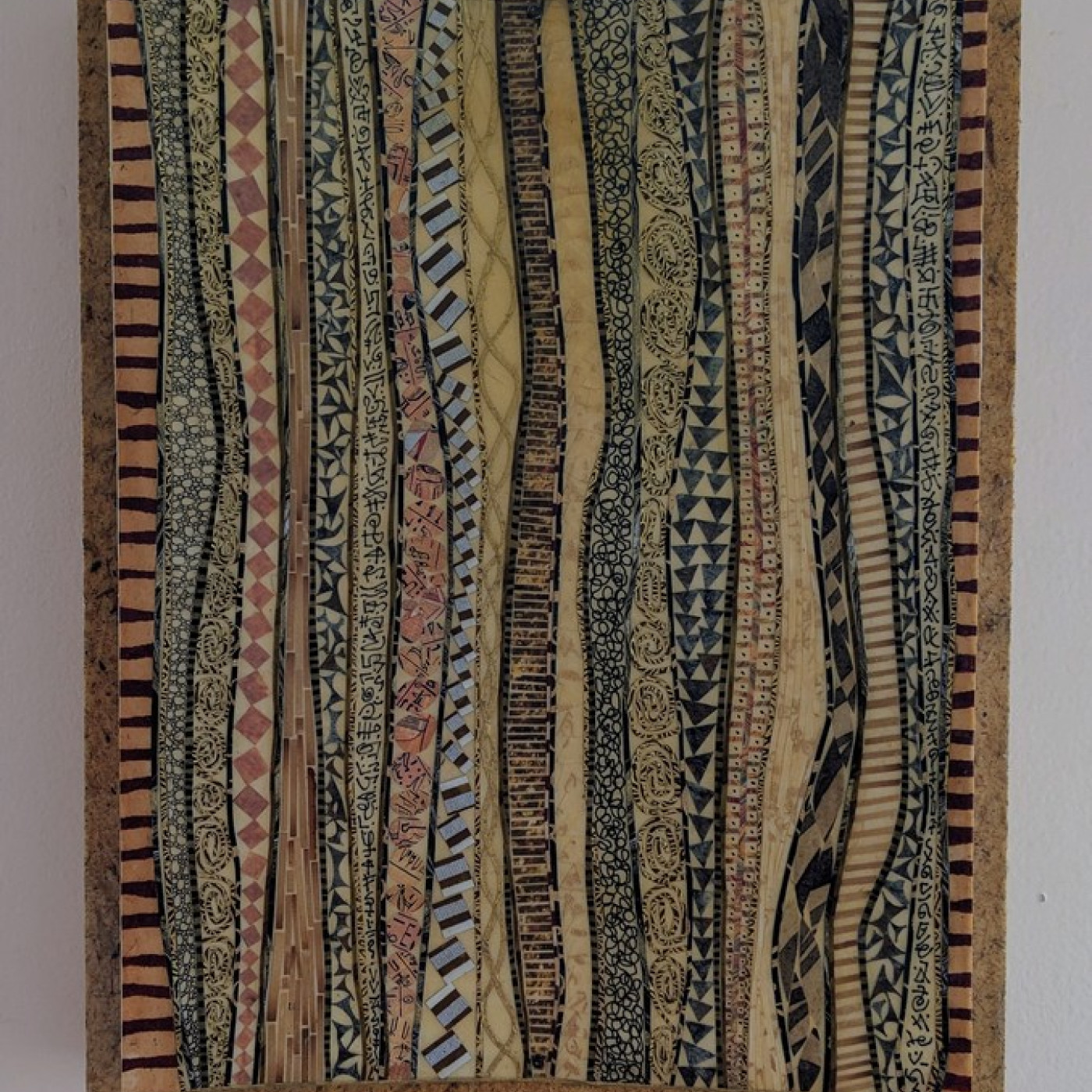
Deborah O’Keeffe
Mixed-Media Collage
How long have you been participating in shows?
Fifteen years.
What are your top display tips for attracting people into your booth?
I have a variety of price points, ranging from $40 to $6,000, with plenty of work under $200. The expensive pieces don't sell quickly, but they create beautiful centerpieces around which I arrange the smaller works, and they attract people into the booth. They also help viewers understand the range of my work.
How do you present yourself at shows?
I dress in nice casual clothing that is comfortable for the weather. I don't wear T-shirts or jeans, and sometimes I wear comfortable casual dresses.
Where do you position yourself in your booth? How do you engage with attendees as they enter?
I sit in a variety of spots, usually in the back, and I also stand and roam around the booth. I greet people and then let them look. It is important to me to be low key, friendly, and let the art itself do the work. I never want to be pushy or sales pitchy.
What do you do when someone is interested but not ready to buy?
I give them my card and affirm their need to think about it. If they really want a piece, it will stick in their mind and call them back.
How do you make it easy for customers to reconnect with you later?
I give them my business card and invite them to sign up on my email list, promising that I won't share their information or spam them myself.
How important is it to have a range of price points?
Very important! I, myself, feel shy about going into booths that appear to have nothing under $500. And I love selling to young, new collectors, including students, to whom I give a small discount.
How do you stay positive when traffic or sales are slow? What do you do during a show’s downtime?
After 15 years of doing this, I have become philosophical about slow periods. I eat, rearrange art, look at my art to get ideas of what to make next. I make notes. I read. I talk to other artists. If the show is not good, I either give it a rest (do it every other year instead of annually) or don't do it again.
What’s one minor change that significantly improved your sales?
Over time, I have learned which shows are best for me. Last year, I did the least shows in 15 years, and I made the most money in 15 years.
Do you have other comments related to this topic?
Don't pander. Create what you are inspired to create. Be authentic, honest, and yourself.
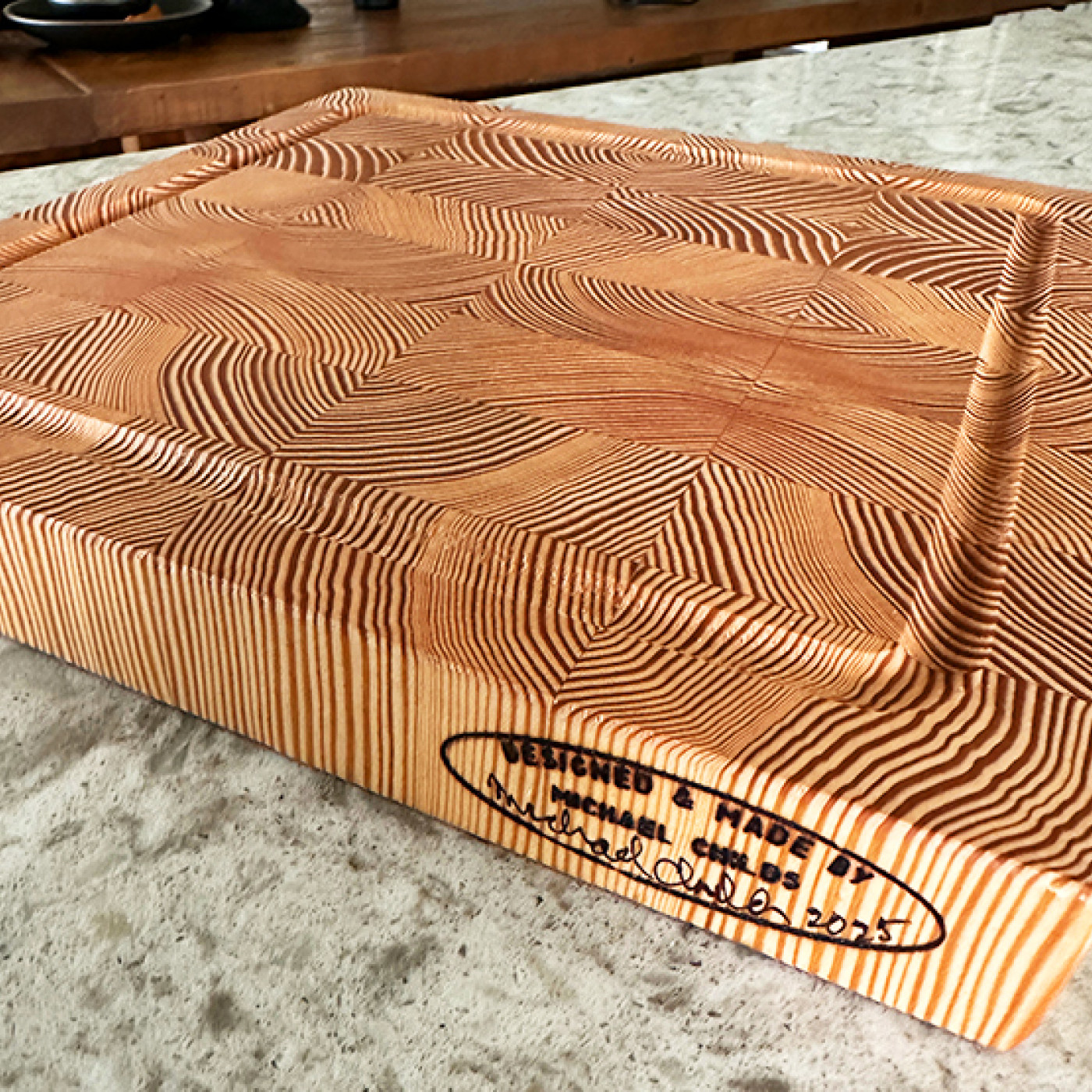
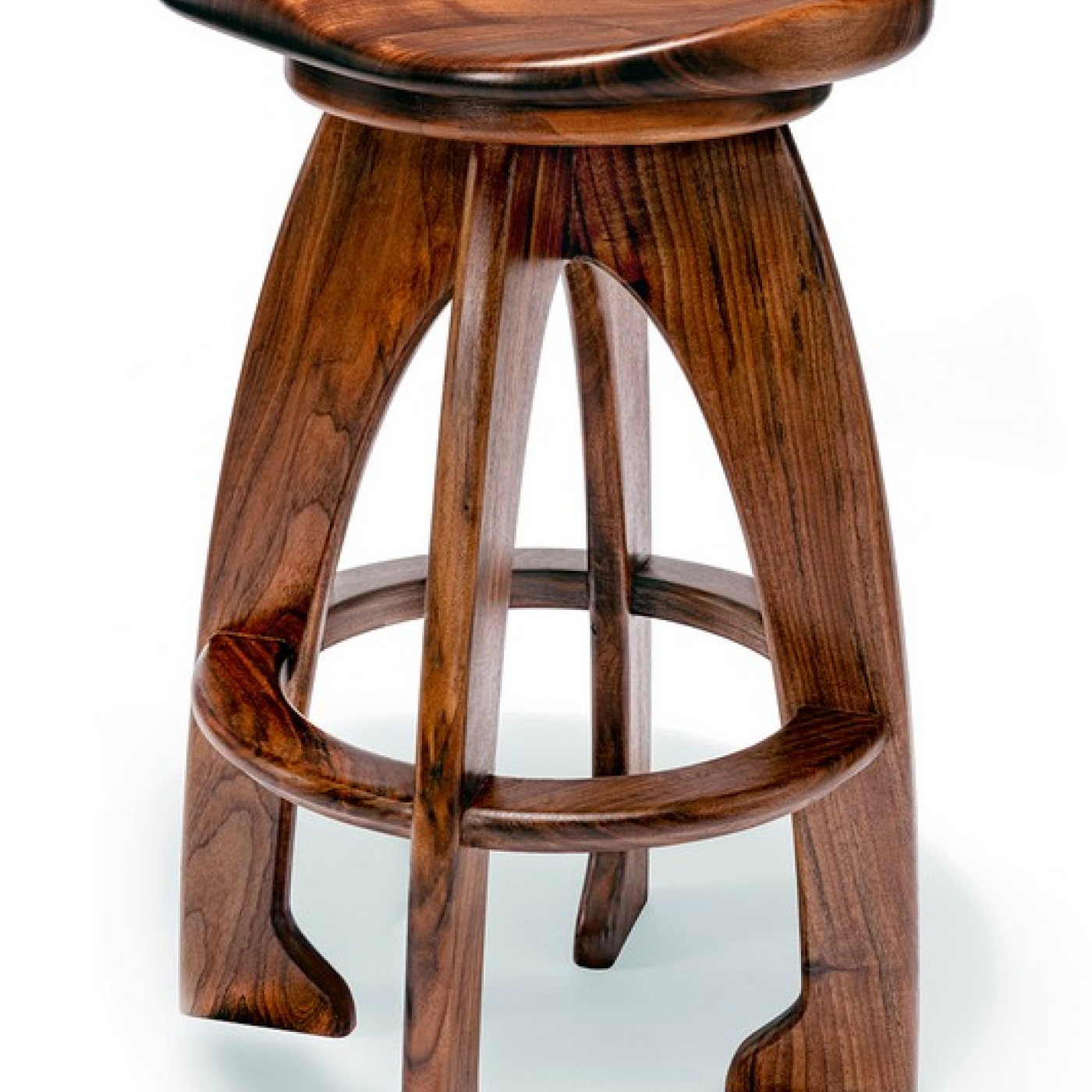
Michael Childs
Woodworking
How long have you been participating in shows?
Twenty-eight years.
What is your top display tip for attracting people into your booth?
Simplicity.
How do you present yourself at shows?
I dress casually, generally cheerful, and avoid the hard sale. I have to master being cheerful while experiencing financial disaster.
Where do you position yourself in your booth? How do you engage with attendees as they enter?
My wife and I sit in the back to allow ingress. When the potential customer engages with the art, I usually stand up, greet them, and engage them in conversation. I do have a spiel about each item.
What do you do when someone is interested but not ready to buy?
I give them my card or take down their email. Some customers return next year to buy my work.
How do you make it easy for customers to reconnect with you later?
Name, URL, email, telephone, city, but not the house number.
How important is it to have a range of price points?
My prices range from $40 to $4,000.
How do you stay positive when traffic or sales are slow? What do you do during a show’s downtime?
Weep inside. Smile on the outside.
What’s one minor change that significantly improved your sales?
Being cheerful.
Patricia DeMaria
Fused Glass
How long have you been participating in shows?
Eighteen years.
What are your top display tips for attracting people into your booth?
Height and light — get your tables raised, so folks don't have to bend over to admire your work — and light it up.
How do you present yourself at shows?
I dress very casually, in T-shirts and jeans. My work is whimsical and informal, meant to make people laugh, so I don't think dressing up would match the groove. In a similar vein, I will comment on other people's jewelry or T-shirt slogans or festive outfits and noticing them this way makes it more likely they will stick around and buy.
Where do you position yourself in your booth? How do you engage with attendees as they enter?
I set up my workspace in the back left corner as you're facing the booth, so I can see the whole booth while I work on finishing pieces. I generally greet everyone who comes in with a "hi" and a quick explanation of what they are looking at.
What do you do when someone is interested but not ready to buy?
No pressure, but my items are one-of-a-kind, and it may not be here when you come back.
How do you make it easy for customers to reconnect with you later?
Business cards, which include my email, phone, and website.
How important is it to have a range of price points?
All my prices are low ($20 to $75), but I usually have some $5 children’s pieces and one or two that are over $100. I think range is important.
How do you stay positive when traffic or sales are slow? What do you do during a show’s downtime?
I will rearrange things on my displays and work on finishing pieces. Chatting with neighboring artists is always fun, as long as you're watching traffic. I do not sit and read, or doom scroll if I can help it. I write down suggestions and notes for the next show and/or products.
What’s one minor change that significantly improved your sales?
Going to LED lights and a Jackery battery pack. Glass always needs light to show well, and the Jackery will run all the lights in my booth for 10 hours, so I don't need to pay for electricity.
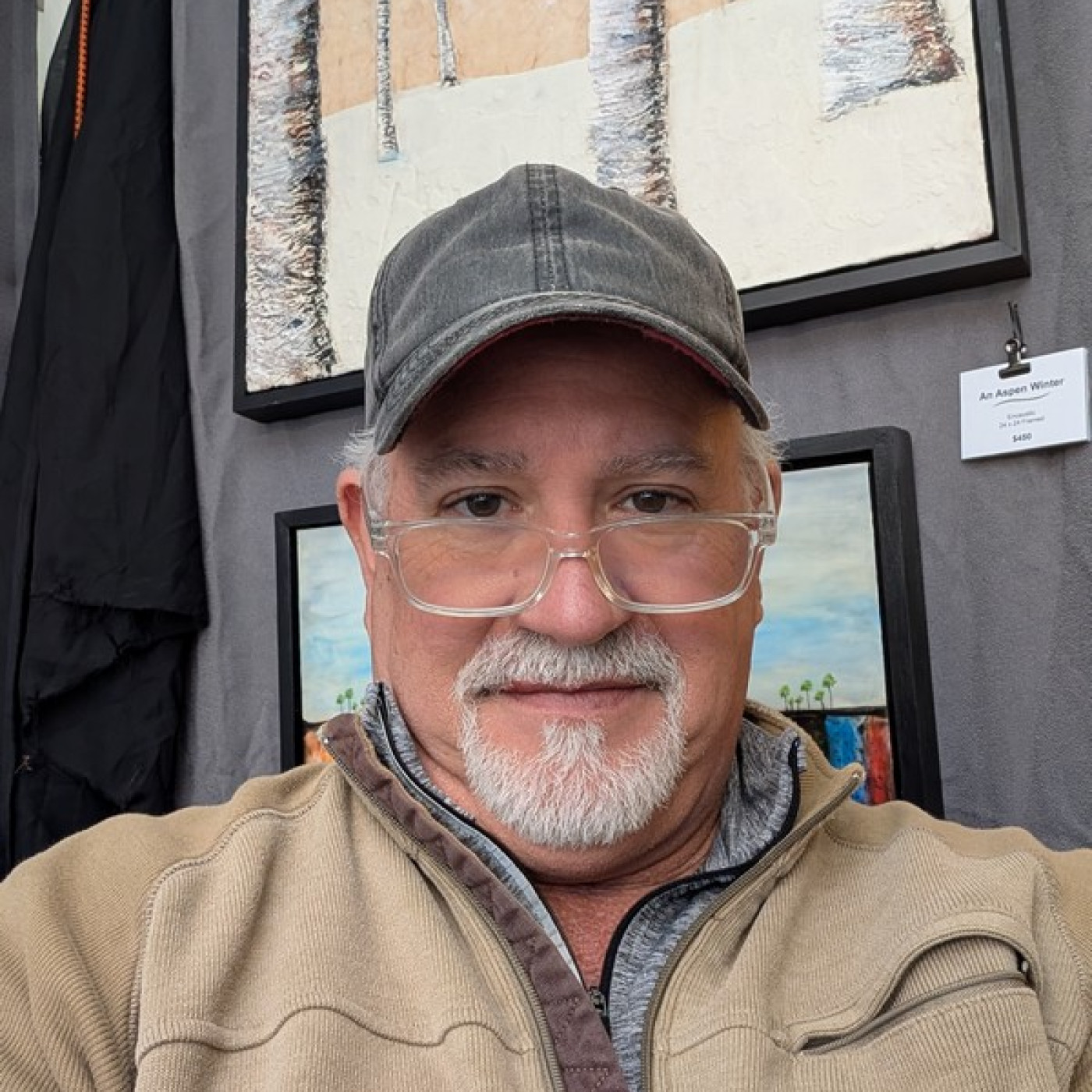
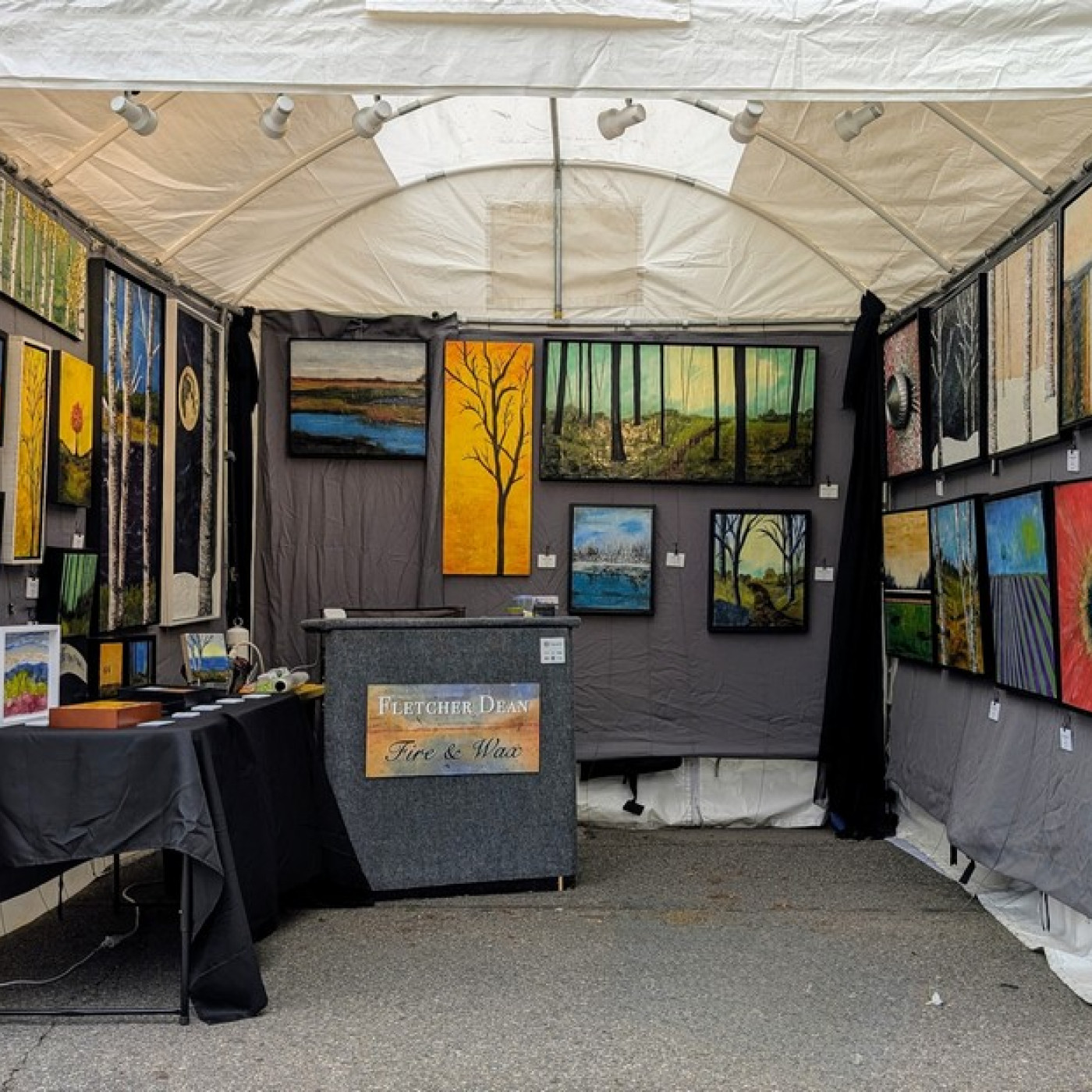
Fletcher Dean
Encaustic
How long have you been participating in shows?
Fifteen years.
What are your top display tips for attracting people into your booth?
Big art in the back — red art in the corners. Lots of lights and everything is neat and tidy.
How do you present yourself at shows?
I strive to wear what I think my customers will be wearing ... but up one step. If they're in shorts and flip-flops, I'll aim for neat jeans and a short-sleeved button-up. Never wear T-shirts. I stay away from anything logo-branded including team/college monikers.
Where do you position yourself in your booth? How do you engage with attendees as they enter?
I typically sit in a tall camp chair behind my pedestal and in the corner. I'll occasionally step out to either side of my booth if there's room. But I'm conscious not to be a block to my art.
What do you do when someone is interested but not ready to buy?
Engage them. Why do they like the piece? Where do they envision it? And, gently, why are they on the fence? It allows me to gauge more why they like it and allows me to serve them better. I might have the perfect piece in storage! Or I can commission a piece if they simply want it bigger/smaller.
How do you make it easy for customers to reconnect with you later?
I always push business cards that have one of my images on one side and my contact info on the other: name, website, Instagram, email, and phone/text. The images on the business cards are a huge plus because it helps them remember my art (and me).
How important is it to have a range of price points?
Always critical. I have small, medium, large, and extra-large. All original work. Since all my work is original (i.e., no giclées), my prices start higher than some other artists, but I strive to keep my work competitively priced.
How do you stay positive when traffic or sales are slow? What do you do during a show’s downtime?
I stay positive by telling myself that tomorrow is another day. It can be frustrating. But I've been doing it long enough to know that sometimes it's not my art ... it's just the day/location/weather. Not everyone will like my art and I’m fine with that. When there's downtime, I focus on the basics: food and personal needs like the bathroom, then try to engage with other artists.
What’s one minor change that significantly improved your sales?
I changed mediums from photography to encaustic (2D painting) and that helped tremendously. Having a range of prices also helps because some days that's all I'll sell. So, it's good to have lots in stock.
Do you have other comments related to this topic?
Be nice to the organizers and workers. They've got a tough job that we only see a glimpse of.
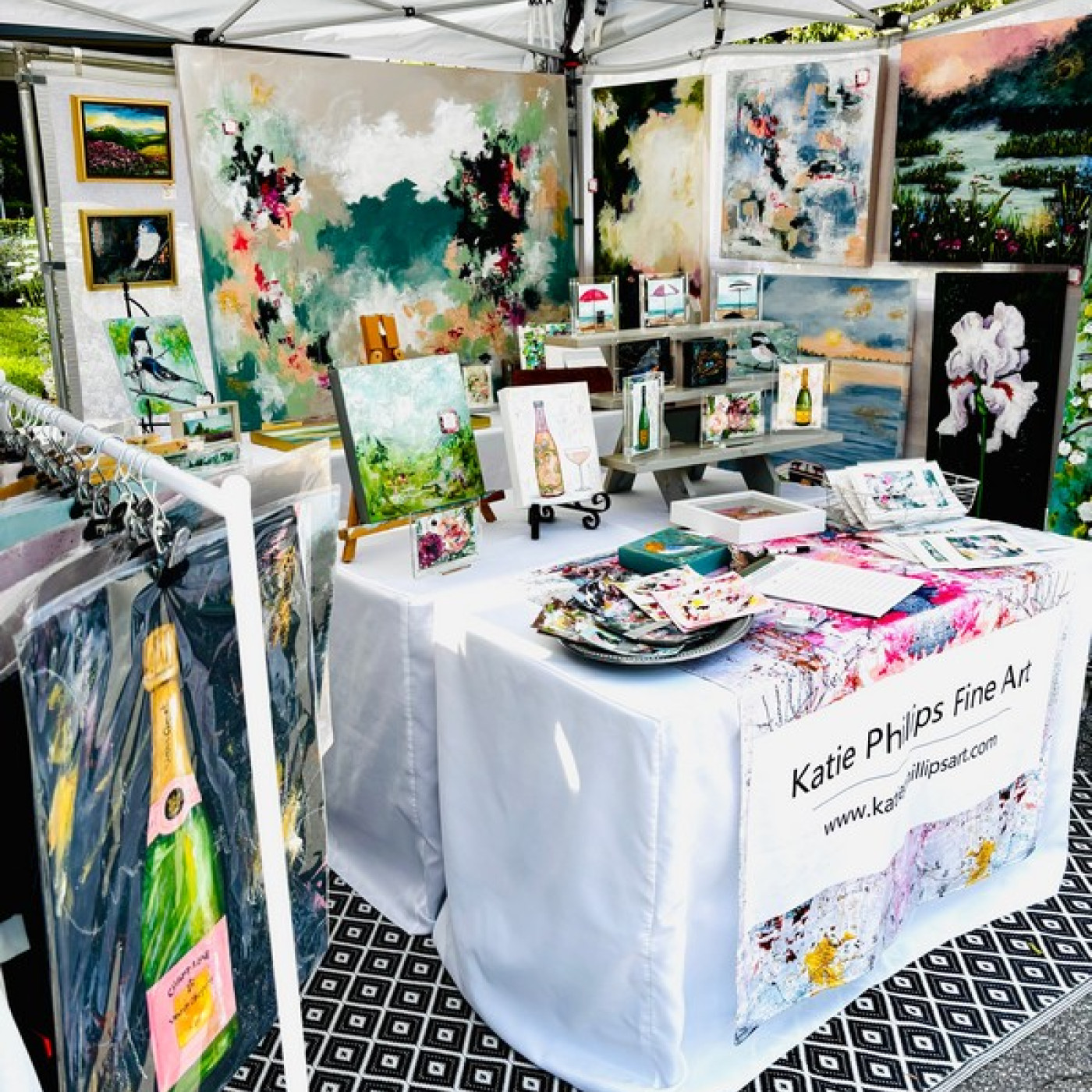
Katie Phillips
Acrylic
How long have you been participating in shows?
Twelve years.
What are your top display tips for attracting people into your booth?
Create a setup that encourages traffic flow. For example, I set a square table in the middle with small price point pieces to attract people in, and they usually start circulating around after the initial look at the table.
How do you present yourself at shows?
I usually do an initial greeting and then hang back until I see them look at something closer, peek at a price tag, or pick something up. Then I usually relate a quick yet interesting fact or story to grow conversation. For example, “That piece was inspired by my recent trip to Napa Valley.” I don’t like to get in people’s faces at the beginning. Aggressive salespeople turn me off.
Where do you position yourself in your booth? How do you engage with attendees as they enter?
I create a doorway in the back of my tent and sit slightly behind but still visible. I feel that sitting up front intimidates people from coming inside and blocks the view of the art.
What do you do when someone is interested but not ready to buy?
I give them a card and try to get their email to add to my list.
How do you make it easy for customers to reconnect with you later?
I include a QR code on my business cards to easily access my online gallery. I also share my Instagram and Facebook socials.
How important is it to have a range of price points?
It is extremely important. Low price points are good for impulse purchases. Not everyone has $1,000+ to spend. The smaller things are my bread and butter, and the bigger pieces are the icing on the cake. There have been times when the smaller things kept me breaking even.
How do you stay positive when traffic or sales are slow? What do you do during a show’s downtime?
Try to connect with other artists around me and discuss marketing tactics, other shows, etc.
What’s one minor change that significantly improved your sales?
I bought a hanging display rack for my larger paper pieces. They are much easier to view since there’s no flipping around, and they generally stay in the order I like.
GenMarie Stiber
Functional Mixed Media
How long have you been participating in shows?
Thirty-six years.
What are your top display tips for attracting people into your booth?
Clean, organized, stocked booth. Price tags on all items.
How do you present yourself at shows?
I dress as if I'm going to attend a social event. No jeans. Fingernails are always polished because after working in my studio, my hands have a hard-at-work look. Hair neat, minimal makeup. And a smile always … I say “hello” to everyone whether they buy or not. It’s important to interact with potential customers and answer all questions. I keep a roll of stickers for children. When they want to touch my items (some are glass), I ask, “Hey, do you like stickers?” All children do, and it stops them from handling fragile items.
Where do you position yourself in your booth? How do you engage with attendees as they enter?
I am always standing in my booth with some of my items, so potential customers can see me. They are interested in talking with the artist, and they can get questions answered quickly. A potential customer should never have to look for an artist or someone to help them. I can fade into the background if needed. No cellphone interaction — stand, smile, and show them you're happy to be there whether you are or not.
What do you do when someone is interested but not ready to buy?
I always tell them to enjoy the rest of the show. I don't like high pressure sales tactics at all. If you make a positive impression, they will remember you and possibly come back. I do offer my card and let them know I have a website and an Etsy shop.
How do you make it easy for customers to reconnect with you later?
Business cards are a plus. They are inexpensive. If they don't want to carry them, they can take a picture of them. It works. I always get orders after a show.
How important is it to have a range of price points?
My price points are $10.50 to $250. Sometimes the lower-priced items save the show.
How do you stay positive when traffic or sales are slow? What do you do during a show’s downtime?
I am grateful for every sale. No one needs the extras we sell. Always bring something, even small tasks, to work on at shows. Potential customers always ask me what I'm working on and how it fits into my art. It starts a good conversation.
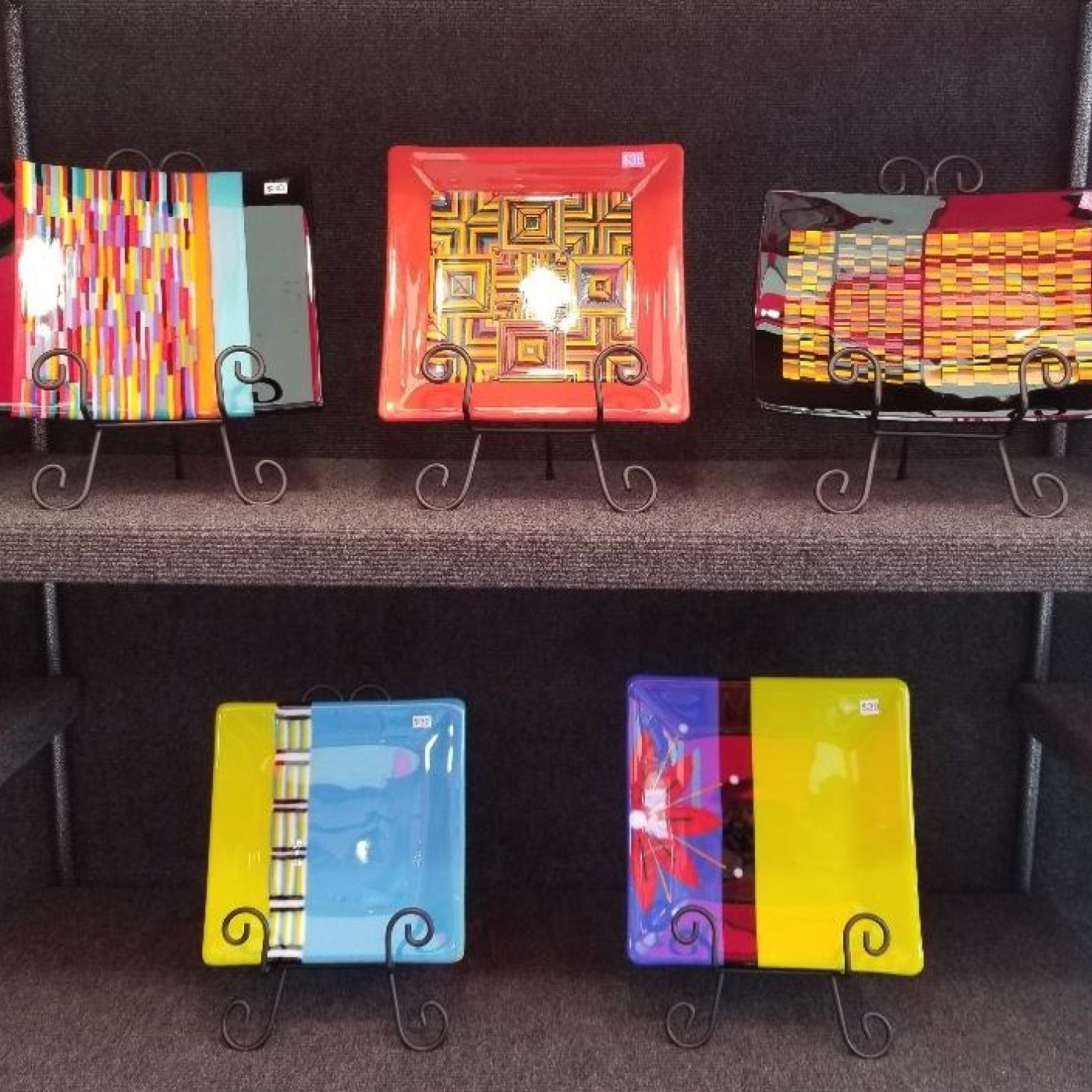
Christie Beene
Fused Glass
How long have you been participating in shows?
Ten years.
What are your top display tips for attracting people into your booth?
Keep a neat and clean space. Leave room for people to move around to look at your creations. Explain what your creation is made of and some information on what it takes to make it.
How do you present yourself at shows?
I dress up a bit. I don't wear short shorts or halter tops. I wear capri slacks and a nice blouse. I don't wear any powerful perfume. Dress appropriately for the show.
Where do you position yourself in your booth? How do you engage with attendees as they enter?
Many shows that I do, artists sit outside of their tent but close enough to help customers. If it's raining or too cold, I make a small space in the back of the tent.
What do you do when someone is interested but not ready to buy?
I give them my business card. I also suggest that if they want to pay for the item now, I'll hold it in the booth so that they can continue to shop. My items are fused glass and can be heavy.
How do you make it easy for customers to reconnect with you later?
I use business cards. It contains my name, Facebook page, email address, and phone number. This has worked well for me.
How important is it to have a range of price points?
You must have items for sale at lower prices. For example, I make nightlights and sell them for $20. I have a wonderful display to show them. At night, I can turn them on. I have an electrical board that hangs in front of my booth. Many customers purchase nightlights and then purchase another higher-priced item.
How do you stay positive when traffic or sales are slow? What do you do during a show’s downtime?
When sales are low, I move items around in the booth, so that people might see something they missed when walking by. I also clean my plates, bowls, artwork, and other items to keep me busy.
What’s one minor change that significantly improved your sales?
Having items that anyone can afford. My lower-priced items are made with care just as my higher-priced items are. It's hard to do but try to have something that people can use or cannot live without.
Do you have other comments related to this topic?
Be kind and talk to your customers. Explain what materials are used, how something is made — not to give away your entire process — but to make your process interesting, so the customer will appreciate your work.