
What Drives Sales at Art Festivals
In today’s environment, success at art festivals is no longer just about great work — it is about how that work is presented, how customers are engaged, and how artists adapt to a more thoughtful, selective buyer.
The artists who consistently perform well are not always the most technically skilled. They are the ones who understand how to connect, present, and operate professionally within the show environment.
One of the biggest misconceptions is that great work will sell itself. It does not. Artists compete for attention, and the strongest booths communicate clearly and quickly. We often refer to this as the 10-second rule. Customers decide in seconds whether to engage.
Clean layouts, strong focal points, and displaying work at multiple heights create flow. A booth should feel curated — not crowded. Investing in the right setup matters. A quality tent, proper weights, and full table coverings create a professional environment that supports the work.
Equally important is making it easy to buy. Prices should always be visible — never hidden. If a customer must ask basic questions, friction is already created. Transparency builds confidence and keeps the focus on the work.
If pieces are not moving, step back and evaluate. Sometimes small adjustments — pricing, display, or layout — can shift results. Marking a piece “sold” can also create momentum, signaling demand and encouraging conversation.
Artists should also understand the crowd effect. People are drawn to energy. When a booth feels active, others want to engage.
Presentation gets attention, and engagement drives sales. Artists should be visible and approachable. A simple greeting is enough to start. The best artists let the work lead, offering insight without overwhelming the customer.
Demonstrating the craft, when possible, is powerful. It draws people in and increases time spent in the booth, often leading to sales.
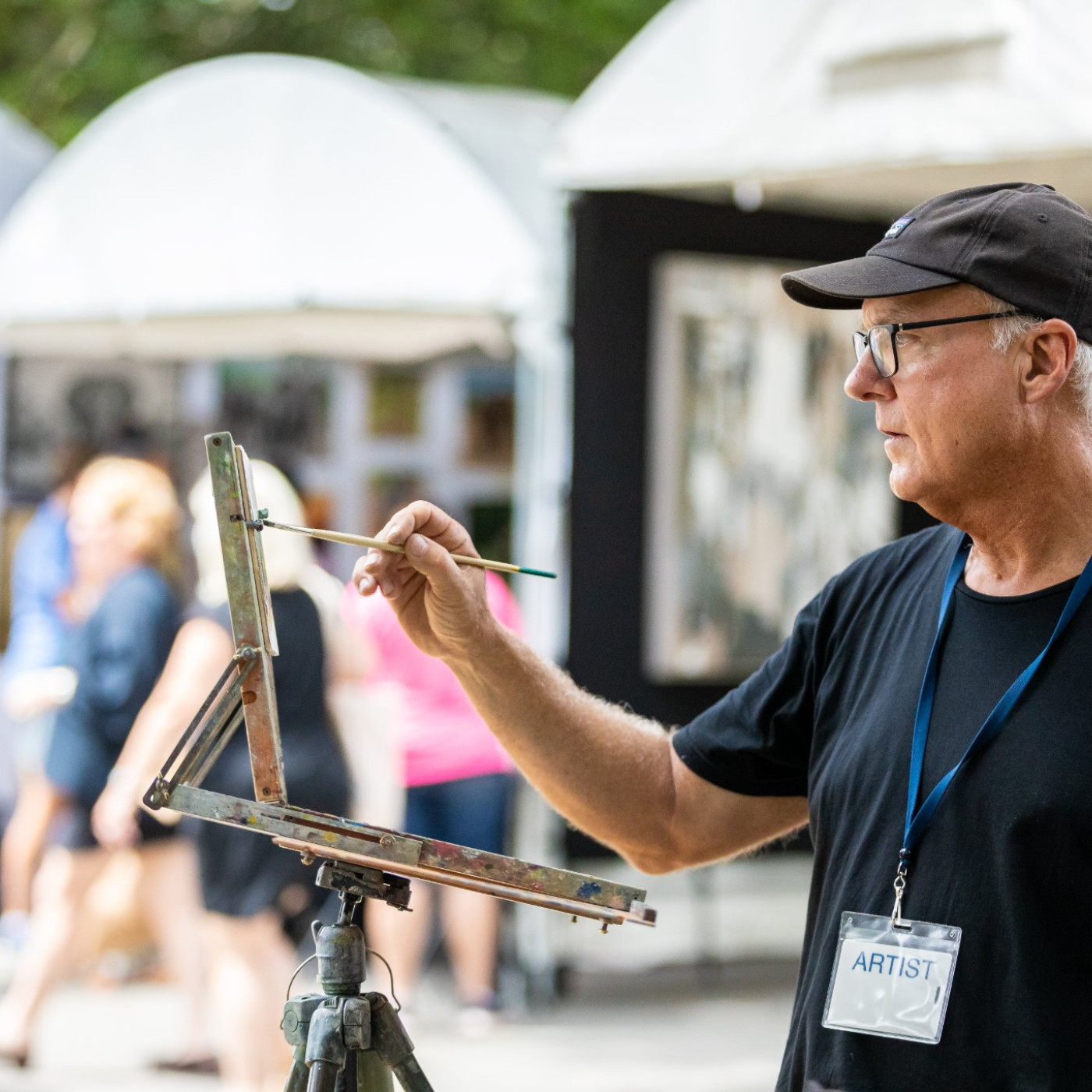
Reading the customer is critical. Some want conversation; others want space. The ability to adjust is what separates strong sellers.
Closing a sale is about removing barriers, not applying pressure. Successful artists offer multiple price points — an entry level, a core range, and higher-end pieces.
Larger works attract attention and establish value, while smaller pieces make it easier for customers to start collecting. Many buyers purchase multiple smaller works, increasing the overall sale. That first purchase often leads to a long-term relationship. Today’s small buyer can become tomorrow’s serious collector.
Not every interaction results in an immediate sale. When a customer hesitates, it often means they are a future buyer. Keeping the interaction positive and pressure-free matters. Just as important is making it easy to reconnect through business cards, QR codes, or contact information.
Many sales happen after the show. We have seen artists say, “I didn’t sell anything,” only to later sell four major, high-dollar pieces tied directly to conversations at the event. Those sales happened because of the exposure and connection created at the show.
Artists should view festivals as selling opportunities and a way to advertise, connect, and build relationships. That is what sustains a business over time.
We have seen how quickly things can change. In one case, an artist made a $12,500 sale at the very end of the show. Staying engaged and positive matters — opportunities can come at any moment.
Professionalism is often overlooked but makes a meaningful difference. Following show instructions matters. Rather than viewing them as rules, see them as guides designed to help the event run smoothly and set artists up for success. Artists who take the time to understand them typically have a better overall experience.
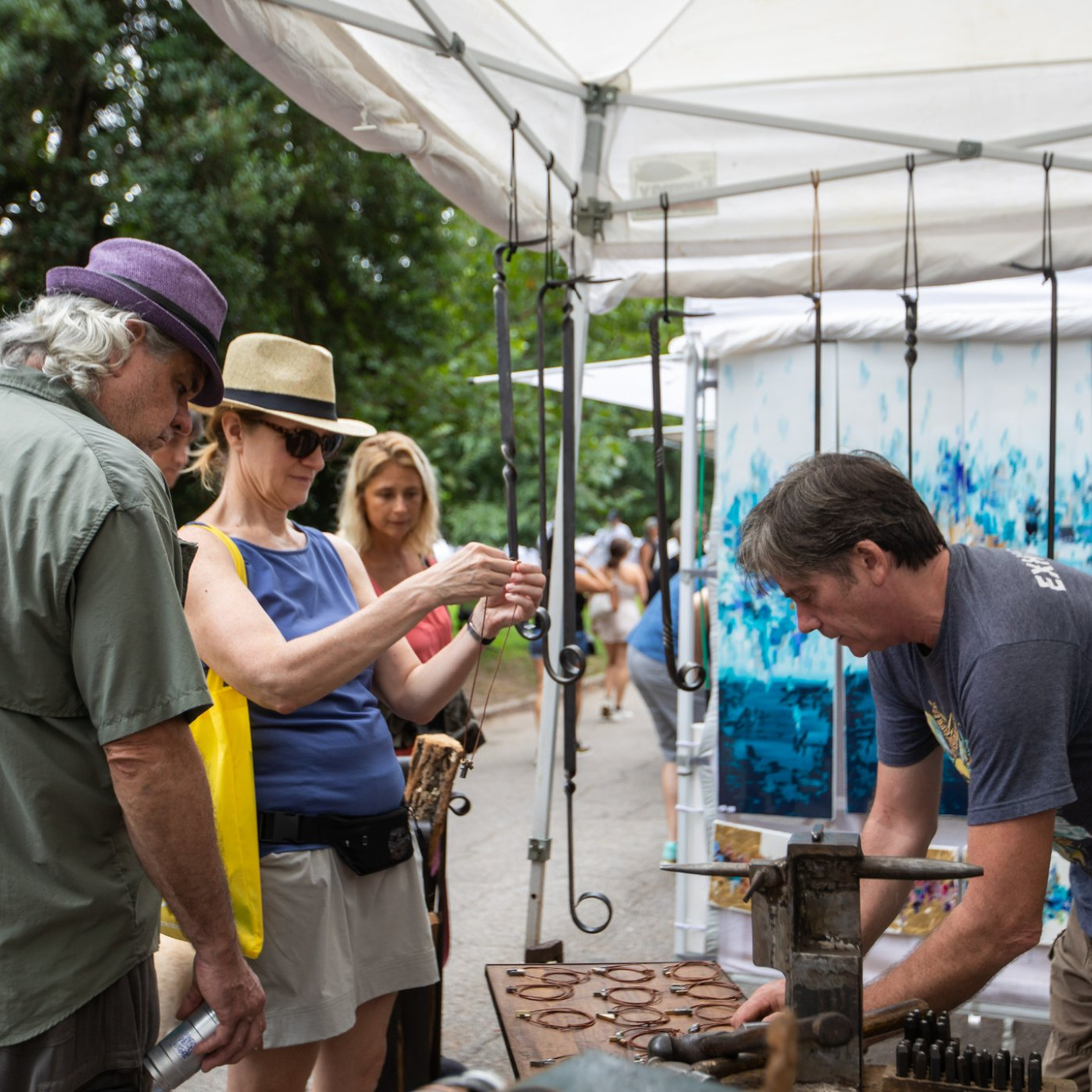
Remaining present in the booth is equally important. Opportunities are often lost when artists are unavailable. Success depends on fit, presentation, and connection.
Artists should be cautious about relying too heavily on negative commentary from others. The loudest voices are not always the most accurate.
Bigger shows and higher booth fees do not always mean better results. Shows with a long history, loyal audiences, and proven track record often provide stronger opportunities. At larger events, artists compete with many others for attention. Success comes down to connection, not size.
Every show and audience is different. The most successful artists do their own research and make decisions based on fit — not noise.
Social media matters, too. Even spaces that feel private are often more visible than expected. In a relationship-driven industry, reputation matters.
Many artists lose sight of why they started. When the pressure of sales takes over, customers feel that shift. The most successful artists stay connected to the joy of what they do.
Artists are their own best advocates. Share your work, promote the show, and let people see the emotion behind it. Success is not just about the work but about how it is presented, how customers are engaged, and how consistently an artist shows up. When those elements align, results follow — not just in sales but in building a lasting, sustainable career.